Over the past few years there has been a lot of talk about the toxicity of the chemical bisphenol-A (BPA) and avoiding plastics that may contain it. This issue particularly hit home with moms as some manufacturers were using BPA in baby bottles, sippy cups, etc. Canada even banned the use of BPA in baby products (good for you Canada!). Many of us moms and dads know to buy plastics that are BPA-free. Unfortunately, BPA is still used to line aluminum cans, so I avoid canned goods as much as possible as well. But you will never guess where BPA has turned up now.
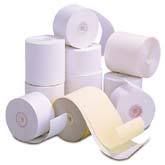
Extraordinarily high levels of BPA were found on two-fifths of the paper receipts tested recently by the Environmental Working Group, a nonprofit organization in Washington, D.C.
In some cases, the amount of BPA on a given receipt was 1,000 times the levels found in a can of food.
Receipts were collected from ATM's, grocery stores, fast food restaurants, gas stations and the like. "Wipe tests" showed that the coating of BPA of paper receipts would likely stick to the skin of anyone who handled them.
The chemical can be absorbed into the skin and transferred to the digestive tract by touching the mouth.
Animal tests have linked BPA exposure to a range of health problems, including cancer, obesity, diabetes, and early puberty. The studies are controversial though, and how they related to human health is not fully clear, according to WebMD.
The organization offered tips for consumers eager to limit their exposure to BPA on receipts, including washing your hands after handling receipts and never giving a child a receipt to play with. But maybe the best tip is simply to decline the offer for a printed receipt after an ATM transaction. After all, in this economy, who needs to be reminded of their balance?
If this doesn't scare the crap out of you, I don't know what will. I was under the impression that the level of BPA in say a can of tomatoes was pretty darn high and this study shows that the levels in receipts are 1,000 times that found in cans?!? Um, WHAT?! And what this article does not touch on is that most recycled paper products you buy are contaminated with BPA from these receipts being recycled in the batches. So really, w can't win. You go to the store and leave with your receipt, which you need in case you might need to return it. But its covered with cancer causing BPA. Should we wear gloves at all times now? And you try to do good things for the earth like buying recycled paper products but OOPS, those are now contaminated with BPA .
All I can say is this: WTF? What are we supposed to do? How can we keep our families safe?
Read EWG's Full Report.